10 Essential Tips for Choosing the Perfect Solid Wood Dining Chairs
When it comes to furnishing your dining space, choosing the right seating is essential, and solid wood dining chairs stand out as a classic and durable option. According to renowned interior design expert, Sarah Thompson, “Solid wood dining chairs not only add elegance to your dining area, but they also provide unmatched comfort and longevity.” In a world where trends come and go, opting for solid wood can ensure that your furniture remains timeless and stylish for years to come.
Selecting the perfect solid wood dining chairs involves not just aesthetic appeal, but also practical considerations such as durability, comfort, and maintenance. The right choice can transform your dining experience, providing a welcoming atmosphere for family gatherings and dinner parties. Our comprehensive guide offers ten essential tips to help you navigate the selection process and make an informed decision. Whether you prioritize design, comfort, or functionality, understanding the nuances of solid wood dining chairs can lead you to the perfect fit for your home.

Understanding the Different Types of Solid Wood Used for Dining Chairs
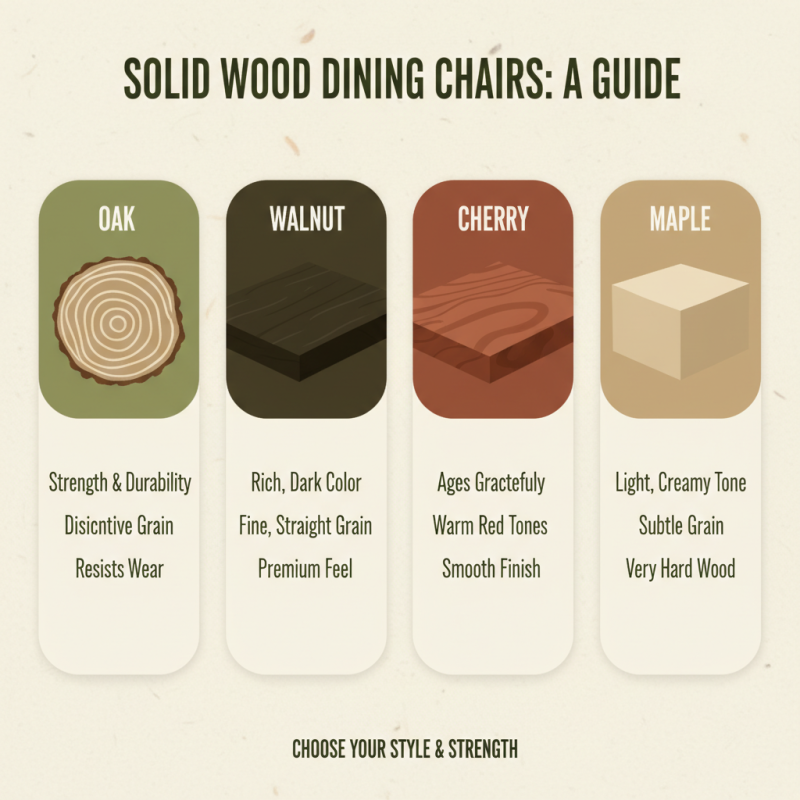
When selecting solid wood dining chairs, it's crucial to understand the various types of solid wood available, as each type comes with its own characteristics, durability, and aesthetic appeal. Common woods used for dining chairs include oak, walnut, cherry, and maple. Oak is renowned for its strength and beautiful grain patterns, making it an excellent choice for long-lasting furniture. Its resistance to wear and tear means oak chairs can withstand the rigors of daily use while retaining their charm.
Walnut, on the other hand, is celebrated for its rich color and smooth texture. This wood has a distinctive dark hue that adds sophistication to any dining room. Cherry wood is another popular option that ages beautifully, developing a warm patina over time. Its fine grain and ease of finishing make cherry chairs incredibly versatile in styling. Lastly, maple is known for its durability and resistance to denting, making it a practical choice for families. Understanding these wood types not only aids in selecting chairs that complement your decor but also helps ensure your investment will provide lasting beauty and functionality.
Evaluating the Comfort and Ergonomics of Dining Chairs
When selecting solid wood dining chairs, comfort and ergonomics should be your top priority. After all, the right chairs will enhance not just the aesthetics of your dining space but also make dining experiences more enjoyable. When evaluating comfort, consider the cushioning and support of the seat. Look for chairs that have well-padded seats and backrests, as these will provide the necessary comfort for long family dinners or entertaining guests.
Another critical tip is to assess the height and design of the chairs. Ensure that they are compatible with your dining table's height, as this can significantly impact your comfort level. Ergonomically designed chairs often feature a slight curve in the backrest, promoting proper posture while sitting.
Additionally, consider the width of the seat. A wider seat provides more space and comfort, making it easier for diners of all sizes to feel at ease. Test out various chair options when shopping, and pay attention to how they align with your body. The combination of supportive design and your personal preference for cushioning can drastically alter how relaxing your dining experiences are. Prioritizing these ergonomic features will lead you to the perfect solid wood dining chairs that complement both your home and your comfort needs.
Assessing the Aesthetic Styles of Solid Wood Dining Chairs
When selecting solid wood dining chairs, aesthetic style should be a primary consideration, as it greatly influences the overall ambience of your dining space. Solid wood chairs come in a variety of designs, from rustic farmhouse styles to sleek modern aesthetics. Understanding the existing decor and color palette of your dining area will help you choose chairs that either complement or contrast effectively with your current furnishings. For instance, if your home features a more contemporary look, opting for chairs with clean lines and minimalistic detailing could create a chic, cohesive environment.
Additionally, consider the finishing options available for solid wood dining chairs. The grain and richness of the wood can significantly affect the visual appeal. A natural finish accentuates the warmth and beauty of the wood, while a painted or stained finish can add character and possibly make a bolder statement. Combining different finishes can also introduce visual interest; however, it's necessary to ensure that the overall look remains harmonious. Ultimately, the right style and finish will enhance not only the dining experience but also contribute to the long-term enjoyment of your space.
Wood Type Preference for Dining Chairs
Considering Durability and Maintenance Requirements for Wood Chairs
When selecting solid wood dining chairs, durability and maintenance are critical factors to consider. Wood is a timeless material that can provide longevity and beauty to your dining space, but different types of wood come with varying levels of resilience. Hardwoods such as oak and maple are generally more durable and can withstand daily use without significant wear and tear. Always check the wood type and grain; denser woods are typically less prone to scratches and dents.
Maintenance is another essential aspect of choosing wood chairs. Regular cleaning and conditioning can preserve the natural luster of wood surfaces and extend their lifespan. A simple routine of dusting with a soft cloth combined with occasional applications of specialized wood care products can keep your chairs looking their best. Additionally, consider the finish of the chairs; options like polyurethane or varnish provide added protection against moisture and stains, making for easier upkeep.
Tip: Always examine the joinery and construction of the chairs. Mortise and tenon joints are ideal for ensuring strength and stability. Also, think about how often you'll need to clean and maintain your chairs based on your household dynamics—families with children or pets may require more resistant finishes and easier-to-clean surfaces to retain their beauty over time.
10 Essential Tips for Choosing the Perfect Solid Wood Dining Chairs - Considering Durability and Maintenance Requirements for Wood Chairs
| Tip |
Wood Type |
Durability Rating |
Maintenance Requirements |
| Choose Hardwoods |
Oak |
High |
Regular polishing |
| Check for Stability |
Maple |
High |
Minimal upkeep |
| Inspect joints and seams |
Cherry |
Medium |
Wax every few months |
| Consider overall style |
Walnut |
High |
Occasional dusting |
| Test comfort level |
Ash |
Medium |
Light cleaning |
| Look into finish types |
Teak |
High |
Periodic re-oiling |
| Evaluate weight capacity |
Birch |
Medium |
Annual inspections |
| Look for warranty offers |
Poplar |
Medium |
Regular dusting |
| Consider the grain pattern |
Redwood |
Medium to High |
Occasional touch-ups |
Finding the Right Size and Proportions for Your Dining Space
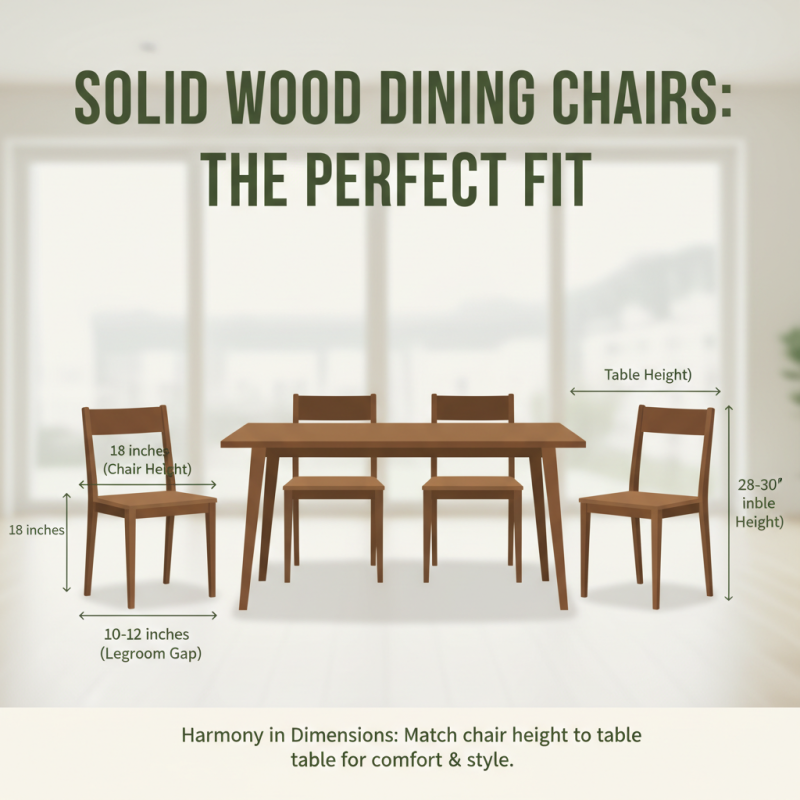
When selecting solid wood dining chairs, the size and proportions of both the chairs and your dining space play a crucial role in achieving a harmonious look. To ensure comfort and functionality, assess the dimensions of your dining table to find chairs that fit well. A standard dining chair height is around 18 inches, which pairs nicely with a table height of 28 to 30 inches. The key is to allow sufficient legroom—aim for a clearance of at least 10 to 12 inches between the seat of the chair and the underside of the table.
In addition to height, consider the width and depth of the chairs. A chair that feels too cramped or overly large can disrupt the flow of the room and make dining uncomfortable. Ideally, you should allow 24 to 30 inches of space per chair to ensure that diners can move freely without bumping elbows. Also, take into account the visual proportions of your dining area. For a compact space, opt for chairs with slimmer profiles or armless designs that conserve visual space and make the area feel larger.
Lastly, think about the overall style of your dining area and how the chairs will fit into it. Choosing pieces that complement existing furniture can create a cohesive look. For instance, if your dining space features a rustic theme, chairs with natural finishes that highlight the wood grain will enhance the atmosphere. Remember, the perfect dining chair should not only fit well but also add to the aesthetics of your dining experience.